







World-first international registry data are shedding light on how vitreoretinal lymphoma presents, highlighting frequent diagnostic delay and a high rate of concurrent brain involvement.
Researchers from the International Vitreoretinal B-Cell Lymphoma Registry Investigator Group, including Professor Justine Smith from Flinders University’s Flinders Health and Medical Research Institute – Eye & Vision, analysed 138 newly diagnosed cases captured in the International Vitreoretinal B-Cell Lymphoma Registry, the largest global dataset of its kind. The findings, published in Clinical & Experimental Ophthalmology, draw on cases from Europe, the Americas, the Western Pacific and South-East Asia to characterise clinical features at presentation.
Vitreoretinal lymphoma is a rare cancer widely recognised to present diagnostic challenges, the authors said. Registry data showed that around one in four patients had central nervous system involvement at the time of ocular diagnosis, reinforcing the need for early recognition and neuro-oncology collaboration. Disease was bilateral in 65.0% of cases and involved the vitreous in 90.6% and the retina in 60.1%.
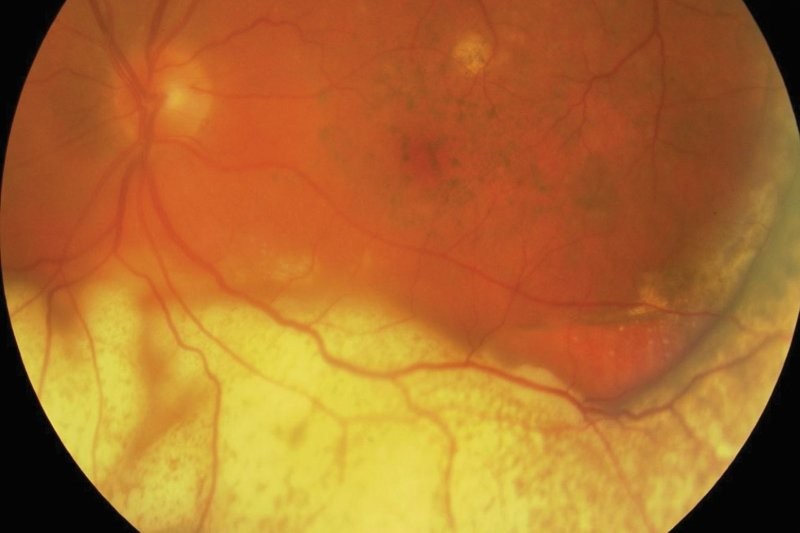
The analysis detailed common presenting signs, including vitritis and subretinal infiltrates. OCT was performed in 96.4% of patients, with abnormalities detected in 80.5%, most commonly subretinal and subretinal pigment epithelial nodules. Most cases represented diffuse large B-cell lymphoma. Visual acuity at diagnosis varied widely, with a median of 6/12 across 227 affected eyes.
The registry addresses long-standing gaps caused by the rarity of the condition and fragmented international data, said Professor Smith. “Delayed diagnosis of this eye cancer can carry serious consequences, but our findings offer practical information that will help clinicians consider the disease earlier, which can protect vision and reveal cases linked to brain lymphoma.”
“As more centres join the registry, researchers will be able to track how people’s vision changes over time, evaluate which treatments work best for long-term survival,” authors concluded.