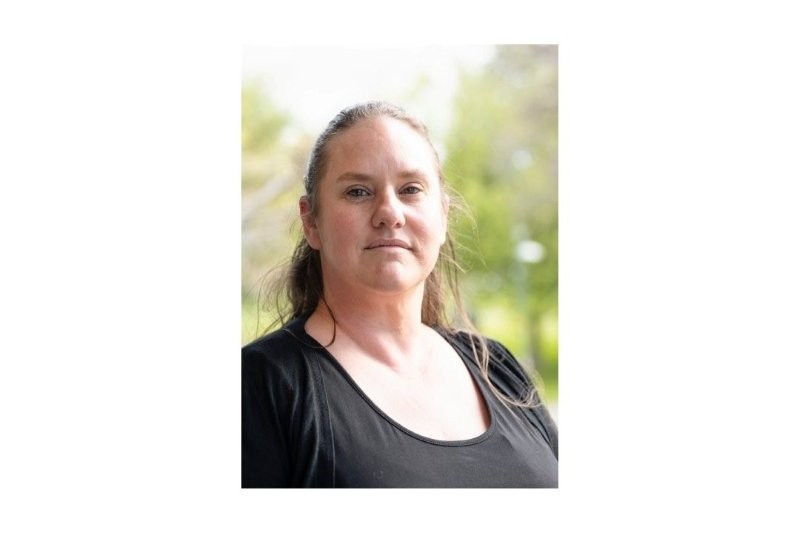









Landing her first optometrist role, graduate Grace Su is returning to the Tauranga practice where she did part of her externship while participating in the University of Auckland’s Rural Health Interprofessional Programme (RHIP).
Su said the RHIP experience strongly influenced her decision. “The programme gave me the opportunity to do externships in both Whakatāne and Tauranga, which was perfect. Then the choice to work in Tauranga was easy.”
The RHIP programme placed Su in Whakatāne for five weeks, living with students from different disciplines and universities. “It felt like a vacation with friends – we did pub quizzes, group dinners and explored the community.”
Her six-week externship included three weeks at Specsavers Whakatāne and three weeks at Matthews Vision Care Tauranga (formerly Visique Greerton). Working there opened her eyes to the challenges and rewards of rural healthcare, she said. “In Whakatāne, there’s no eye specialist, so patients often travel long distances for care. Navigating those barriers was tricky but rewarding. People were so grateful – whatever you give, they give back two-fold.”
Su encourages other students to take part in RHIP. “Most optometry students are from Auckland, so rural places can seem like empty grasslands – but that’s not true at all. Whakatāne is beautiful, with lots to do. The programme is so well planned; it makes going rural less daunting and shows why it matters.”
RHIP offers students an opportunity to experience rural optometry practice and learn about the barriers many New Zealanders face in accessing eye healthcare, said Dr Jaymie Rogers, professional teaching fellow and rural optometry academic lead at the university’s School of Optometry and Vision Science (SOVS).
Thanks to a three-year pilot scheme supported by the Blake family, SOVS has been able to increase the number of rural placement options, both through RHIP and other pathways, to help build a rural optometry workforce, Dr Rogers said. “We've had an increase of interest in RHIP and that's probably due to several factors. One reason is that SOVS has been more intentional with highlighting and focusing on regional rural optometry practice. Another is that students are aware that job opportunities are limited in metro centres.”
Eight optometry students participated in RHIP in 2025 and SOVS has received 15 applications for 2026, Dr Rogers said. “I think we've done very well as a school in promoting RHIP and we could do better if we had more host practices. But then another piece of the puzzle is the availability of practices in those rural locations – there simply aren’t that many.”
The search for optometry practices able to host students is about to extend beyond the RHIP programme’s Hokianga and Whakatāne locations, with SOVS embarking on a partnership with the University of Otago, which runs a similar programme. Interested optometrists are welcome to contact SOVS external placement coordinator Gini Parslow on v.parslow@auckland.ac.nz to discuss options, Dr Rogers said.
The RHIP programme is a five-week rural initiative for students across the healthcare sector aiming to improve the recruitment and retention of health professionals in rural New Zealand. It commenced in 2013, originally with only three health disciplines represented. Since its inception, it has expanded to include optometry (2019) and 14 other health disciplines.