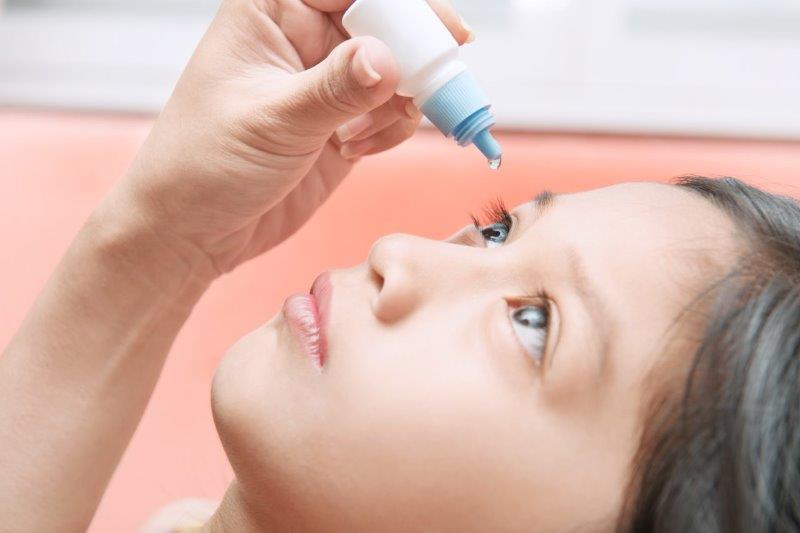







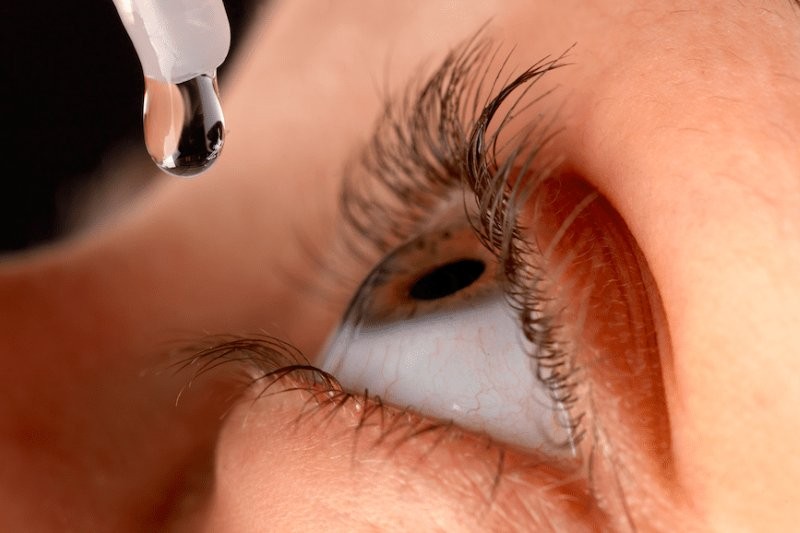
A single low-concentration atropine eye drop can produce short-term ocular effects lasting at least 24 hours in young adults, according to research published in Eye and Vision.
University of Houston researchers found that one drop of low-dose atropine (0.01%–0.1%) produced clear changes in pupil size and focusing ability that persisted for at least 24 hours. Importantly, they also found that the drop showed no short-term structural effects on the eye, with only a transient change in superficial retinal perfusion.
Low-concentration atropine is widely prescribed to slow myopia progression in children, yet its short-term retinal and choroidal effects remain incompletely understood, explained senior author Professor Lisa Ostrin. This study aimed to evaluate short-term effects of a range of low atropine concentrations on axial length, retinal and choroidal thickness and microvasculature.
In the double-masked, randomised study, 20 healthy adults (mean age 25.5 ± 3.4 years) received a single instillation of placebo or atropine in the right eye during five separate sessions. Researchers then checked the eye structure, thickness and length in the central retina both at one hour and 24 hours later.
“Characterising these short-term effects is important for a better understanding of the physiological responses to atropine in clinical and research settings,” said Prof Ostrin, whose earlier work found that a single drop of low-concentration atropine induced significant dose-dependent changes in pupil size and accommodation in young adults. “By linking objective ocular responses with subjective visual experience, this work advances our understanding of how atropine works and supports more precise, evidence-based and individualised approaches to myopia management,” she said.