








Two years after the Optometry Council of Australia and New Zealand (OCANZ) launched the Māori Health Curriculum Framework, newly published research in Clinical and Experimental Optometry shows how the profession is beginning to translate it into teaching and assessment.
Led by the University of Auckland’s professional teaching fellow and New Zealand Association of Optometrists president Renata Watene, with Dr Andrew Collins, head of the university’s School of Optometry and Vision Science, the project used a kaupapa Māori approach with extensive consultation with Māori communities, curriculum experts, educators and other stakeholders.

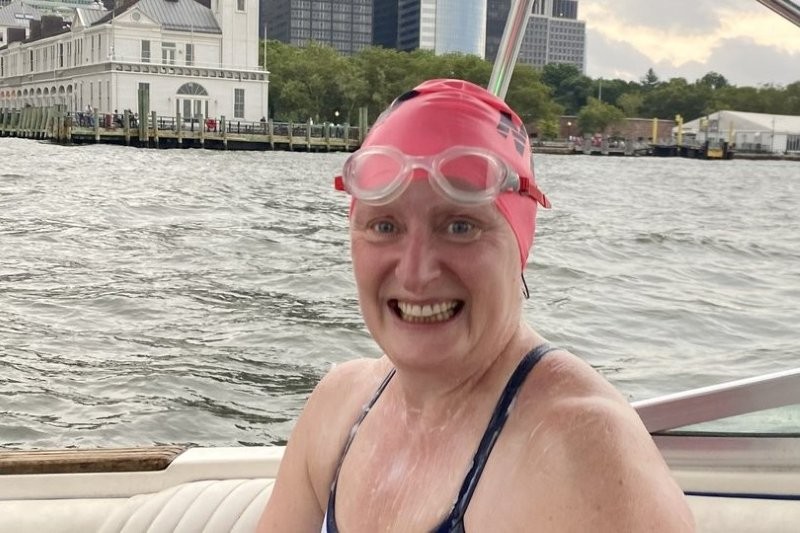
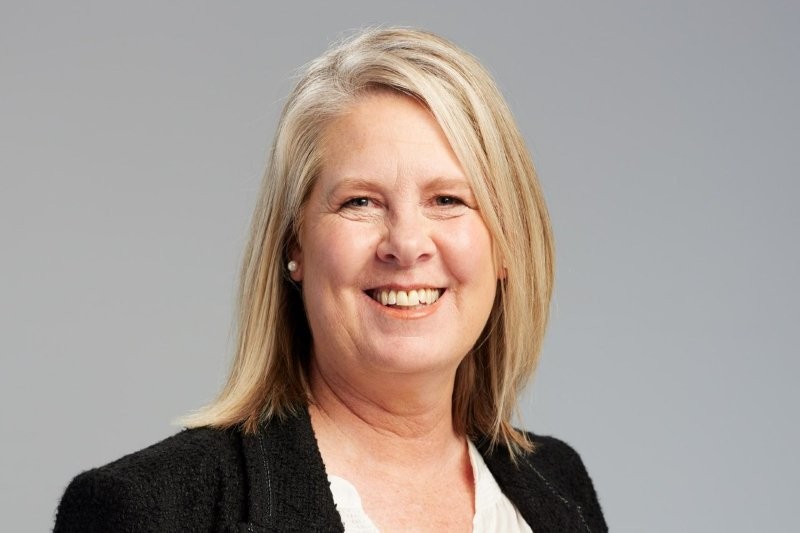
Renata Watene
The team identified nine core themes, including accessible eyecare, Te Tiriti o Waitangi, equity, racism, kaupapa Māori approaches and Māori clinical contexts. They then refined 61 draft learning outcomes to 26 final outcomes spanning novice, intermediate and entry-to-practice levels.
“Optometry is the first health profession to create a trans-Tasman Indigenous health curriculum, where the accrediting body mandates all graduates can offer culturally safe and responsive care for Aboriginal, Torres Strait Islander and Māori peoples,” said authors. The framework was launched in 2024 and commissioned by OCANZ to complement its existing Aboriginal and Torres Strait Islander curriculum standards. It also formalises expectations: for the first time, optometry graduates across both countries must demonstrate culturally safe and responsive care for Aboriginal, Torres Strait Islander and Māori patients.
Early impacts are largely structural rather than measurable, with authors pointing to curriculum redesign, shared teaching resources and increased collaboration between institutions as immediate changes, while cautioning that patient-level outcomes will take longer to assess.
The optometry programme in Aotearoa is expected to implement this first-ever Optometry Māori Framework in full, while Australian programmes are initially expected to implement the eight novice outcomes, said authors. The framework’s success will depend on “the collegiality of the educational institutions delivering this content through sharing common resources and building allyship within each course” and that educators should not “pan-Indigenise Indigenous Health teaching”.